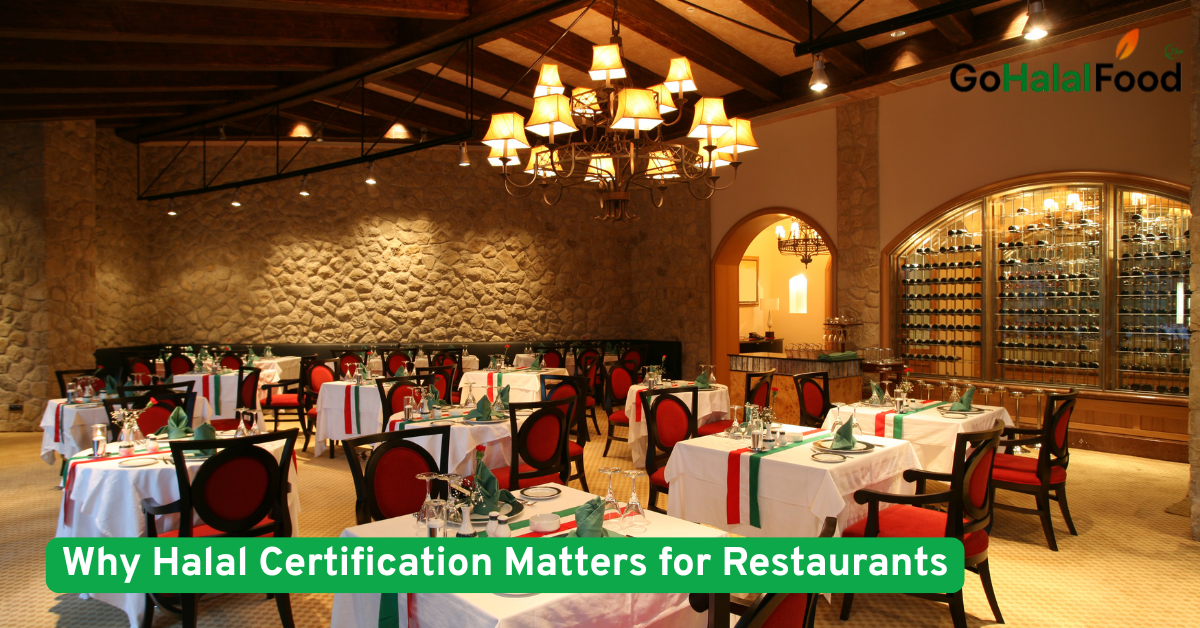
As the demand for halal food continues to rise across the U.S., more restaurants are seeking halal certification to meet the needs of their diverse clientele. If you’re a restaurant owner or a consumer curious about halal dining, understanding why halal certification matters for restaurants is crucial. Halal certification not only guarantees that the food complies with Islamic dietary laws, but it also provides ethical assurance, which resonates with a growing number of conscientious consumers. In fact, over 60% of U.S. consumers believe that halal-certified food is higher in quality and ethically sourced, making certification a key differentiator in today’s competitive food market.
What Does Halal Certification Mean?
Halal certification is the process through which a restaurant or food manufacturer confirms that their food complies with the dietary guidelines set by Islamic law. These guidelines cover various aspects, such as the sourcing of meat, preparation methods, and the avoidance of forbidden (haram) ingredients. Halal certification ensures that the food served adheres to strict standards, including:
- No pork or pork-derived ingredients
- No alcohol or intoxicating substances
- Meat must be slaughtered humanely
- Proper handling of all ingredients to avoid contamination
For restaurants, obtaining halal certification means demonstrating that they are committed to providing food that is both ethically produced and religiously acceptable for Muslim consumers. It’s not just about ensuring the meat is slaughtered according to Islamic principles but also about maintaining overall hygiene, integrity, and trustworthiness in food preparation.
Why Halal Certification Matters for Restaurants
Halal certification offers numerous benefits for restaurants, making it an important step for those looking to cater to a growing consumer base. Here’s why halal certification matters for restaurants:
1. Expanding Consumer Base
With over 3.45 million Muslims living in the U.S. and many more non-Muslim consumers seeking ethically sourced food, restaurants that offer halal-certified options can attract a wider audience. Halal certification shows that a restaurant is inclusive and caters to dietary preferences that reflect both religious and ethical standards.
2. Competitive Edge in the Market
In a market flooded with dining options, restaurants with halal certification can stand out. Consumers are more likely to trust restaurants that have the certification because it provides transparency in food sourcing and preparation. It builds credibility and fosters loyalty among customers who value ethical sourcing.
3. Assurance of Ethical Practices
For many, halal certification represents more than just religious observance—it’s a commitment to ethical food practices. Halal laws ensure that the food served is cruelty-free, humanely slaughtered, and prepared in clean, controlled environments. In today’s market, ethical food sourcing is increasingly important to consumers.
4. Access to the Growing Halal Food Market
The halal food market in the U.S. is booming, with estimates suggesting it will reach $20 billion by 2026. Restaurants that obtain halal certification can tap into this rapidly expanding market. As more Muslims and non-Muslim consumers demand halal-certified options, restaurants can meet the growing demand by ensuring their offerings align with halal standards.
5. Consumer Trust and Transparency
When a restaurant displays halal certification, it assures customers that the food they are consuming is ethically sourced and prepared in line with halal standards. This transparency is essential for gaining trust, especially among consumers who are cautious about food sourcing and preparation methods.
6. Increased Media and Public Awareness
The rise of social media and food blogs has led to increased awareness about halal food. As halal certifications become more visible, restaurants that offer halal options are more likely to receive positive attention from food critics, influencers, and media outlets, which can drive more customers to their doors.
Why Choose Us
We connect diners with trusted, halal-certified restaurants across the U.S. Our platform provides up-to-date information on where to find certified halal dining, whether you’re looking for fine dining, fast food, or quick-service restaurants. We prioritize restaurants that adhere to the highest halal standards, ensuring that you can enjoy your meal with peace of mind. Whether you’re searching for halal pizza, burgers, or traditional dishes, Go Halal Food helps you make informed decisions while supporting businesses that commit to halal integrity.
Frequently Asked Questions (FAQs)
1. What does halal certification mean for a restaurant?
Halal certification ensures that the food complies with Islamic dietary laws, including ethical sourcing, humane slaughter, and avoiding forbidden ingredients.
2. Can a non-Muslim restaurant get halal certification?
Yes, non-Muslim restaurants can obtain halal certification if they follow the required guidelines, ensuring their food preparation aligns with halal standards.
3. Why is halal certification important for restaurants?
It ensures that the food served is ethically sourced and meets the dietary requirements of Muslims, while also appealing to non-Muslim customers who prefer ethical food practices.
4. Does halal certification apply to all types of food?
Yes, halal certification applies to meat, poultry, snacks, beverages, and even processed foods, ensuring that all ingredients are halal-compliant.
5. How can I verify if a restaurant is halal-certified?
Look for official halal certification symbols on the restaurant’s menu or inquire about their halal sourcing and food preparation methods.
6. Is halal food healthier than non-halal food?
Many people believe halal food is healthier because it ensures humane treatment of animals and bans the use of certain harmful substances like pork and alcohol.
7. Do all halal restaurants follow the same certification process?
Not all halal certification agencies follow the same guidelines, so it’s important to choose restaurants that are certified by trusted halal authorities.
The Growing Importance of Halal Certification
Understanding why halal certification matters for restaurants is crucial for both restaurant owners and consumers. As demand for halal food continues to grow, restaurants that offer halal-certified meals will stand out by ensuring their food is ethical, humane, and trustworthy. For consumers, halal certification guarantees a higher standard of care in food sourcing and preparation, making it easier to find meals that align with personal and religious values.
Explore Halal Restaurants Near You Today
Ready to discover halal-certified restaurants? Visit Go Halal Food to explore trusted and verified halal dining options in your area. Whether you’re dining in or ordering out, we help you find the best halal restaurants that meet your needs.