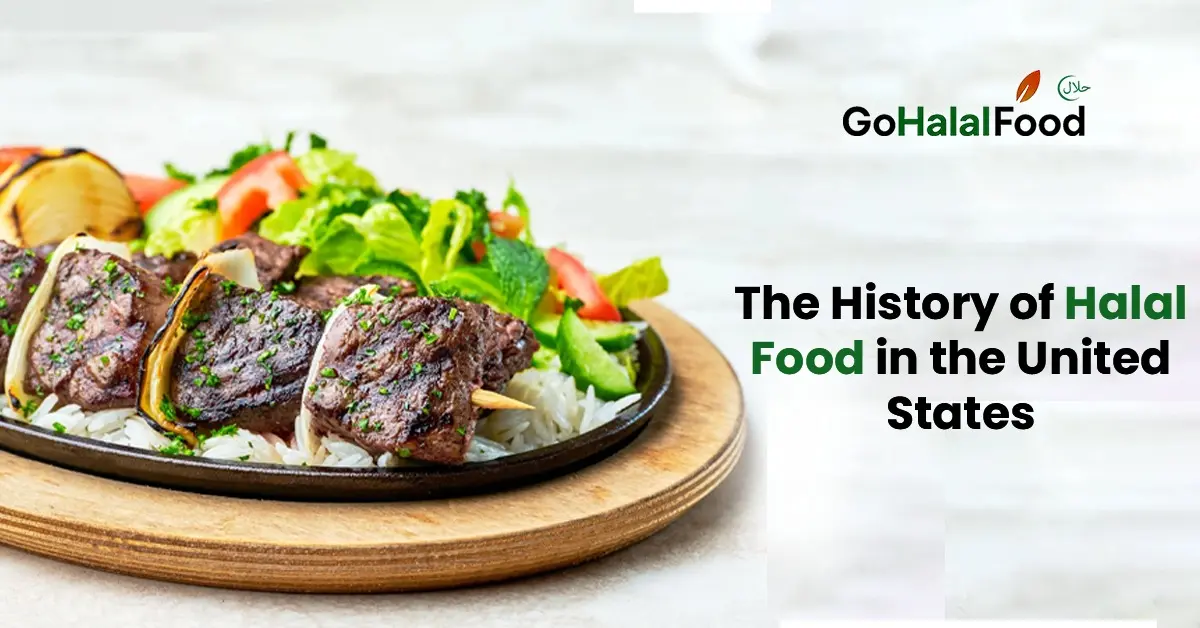
The demand for halal food has been steadily growing in the United States, driven by a rising Muslim population and an increasing interest in ethical, healthy eating. As halal food becomes more mainstream, understanding the history of halal food in the United States is essential for recognizing its cultural impact and the role it plays in shaping the future of American cuisine. Recent studies indicate that the halal food market in the U.S. is expected to grow to $20 billion by 2026, highlighting the importance of halal food in the nation’s diverse culinary landscape. This article will explore how halal food made its way to the U.S., its growth over the years, and its rising influence today.
The Early Beginnings of Halal Food in the U.S.
The history of halal food in the U.S. dates back to the early 20th century, with Muslim immigrants bringing their dietary traditions to American shores. Early Muslim communities in cities like New York and Detroit began to establish butcher shops and small grocery stores that sold halal meat, though halal food remained largely within the Muslim community for many years.
During this time, halal food was not widely understood outside of Muslim circles. The availability of halal meat was limited, and most Muslim immigrants had to rely on home-cooked meals or community-run businesses. However, this slowly began to change as more people from diverse backgrounds showed interest in halal food’s ethical standards and its health benefits.
Key Milestones in Halal Food’s U.S. Journey:
- Early 1900s: Muslim immigrants from the Middle East and South Asia bring halal food traditions to America.
- 1950s-1960s: The rise of African American Muslim communities, particularly the Nation of Islam, increases demand for halal food.
- 1970s-1980s: Halal food becomes more accessible as larger Muslim populations grow in urban centers.
- 1990s-present: The expansion of halal restaurants, grocery stores, and packaged food products leads to mainstream awareness.
Halal Food’s Growing Popularity in the U.S.
By the 1970s, halal food began to attract the attention of a broader audience. The growth of the Muslim population in urban areas, coupled with increased awareness of global cuisine, played a major role in the halal food revolution. The establishment of halal restaurants in cities like Chicago, Los Angeles, and New York helped introduce a wider variety of halal dishes to non-Muslim customers.
In the 1980s and 1990s, the availability of halal food in supermarkets began to grow, and mainstream grocery stores started to stock halal meat. Halal food was no longer a niche offering; it was gradually becoming a choice for consumers looking for healthier, ethically sourced food. This shift was supported by increased demand from not only Muslims but also people from diverse backgrounds who appreciated halal food’s emphasis on quality and animal welfare.
Why Halal Food Became Mainstream:
- Cultural Shift: As American society became more diverse, food cultures from around the world, including halal, began to gain recognition.
- Health Consciousness: Halal food is often perceived as a healthier alternative, with an emphasis on clean, fresh ingredients and humane animal slaughter.
- Global Influence: The globalization of food and media played a role in introducing halal food to a broader audience, especially through food television shows and the rise of the internet.
The Rise of Halal Food in Modern Times
In the 21st century, the history of halal food in the U.S. has taken a remarkable turn. The explosion of halal restaurants, food trucks, and international fast food chains offering halal-certified products has turned halal food into a mainstream dining option. From halal burgers and wraps to gourmet halal dishes, American consumers now have a wide range of halal food choices.
One of the key reasons for this growth is the increasing awareness of ethical food sourcing and animal welfare. Halal food’s emphasis on humane slaughter and the absence of harmful chemicals has made it a preferred choice for many who are conscious about where their food comes from and how it’s prepared.
Current Trends in Halal Food:
- Halal Fast Food: Major chains like McDonald’s and Subway have begun offering halal-certified products in select locations.
- Halal Packaged Foods: Grocery stores now offer a variety of halal meat products, snacks, and ready-to-eat meals.
- Halal Fusion Cuisine: Chefs and food entrepreneurs are creating innovative fusion dishes, combining halal practices with international flavors.
Why Choose Us
At Go Halal Food, we bring you closer to the best halal dining experiences in the U.S. Our platform connects you with halal-certified restaurants, food trucks, and grocery stores that meet the highest standards. We provide up-to-date information and trusted recommendations, so you can enjoy authentic halal food wherever you are. Whether you’re seeking traditional dishes or modern halal innovations, Go Halal Food is your go-to resource for halal dining.
Frequently Asked Questions (FAQs)
1. When did halal food first arrive in the U.S.?
Halal food arrived with Muslim immigrants in the early 20th century, with a significant increase in availability during the 1970s and 1980s.
2. Is halal food only for Muslims?
No, halal food is popular among non-Muslims as well, especially those who value ethical food sourcing and humane animal treatment.
3. Can I find halal food in mainstream supermarkets?
Yes, many supermarkets across the U.S. now carry halal-certified meats and ready-to-eat meals.
4. How has halal food become more mainstream?
The rise of halal restaurants, food trucks, and grocery stores, along with the increasing demand for ethical and health-conscious food, has made halal food more widely available.
5. What are some popular halal dishes in the U.S.?
Popular halal dishes include shawarma, kebabs, falafel, halal burgers, and wraps.
6. Are fast food chains offering halal options?
Yes, many fast food chains like KFC and Subway offer halal-certified options in select locations.
7. What is halal fusion cuisine?
Halal fusion cuisine combines traditional halal ingredients with global flavors, creating innovative dishes like halal sushi or halal tacos.
Halal Food’s Impact on American Culture
Understanding the history of halal food in the United States provides insight into how halal food has transformed from a niche offering to a mainstream culinary trend. With its focus on quality, ethical sourcing, and health-conscious preparation, halal food continues to thrive and evolve in America. As the market grows, halal food will likely become even more integral to the American food landscape, offering diverse, innovative, and ethical choices to a wide array of consumers.
Discover Halal Dining Near You
Ready to explore halal restaurants, food trucks, and grocery stores near you? Visit Go Halal Food today to discover the best halal dining options that meet your dietary and ethical standards.